When parents think about school readiness, they often picture counting, recognising letters, or writing neatly. But the true foundation for success in school; and life, is built on social and emotional skills. These skills help children understand their feelings, interact positively with others, and adapt confidently to new environments such as preschool or primary school.
In the early years, children are still learning how to share, express emotions, manage frustration, and solve problems peacefully. A supportive preschool environment gives them daily opportunities to practice these behaviours through play, stories, group activities, and gentle guidance from teachers. This helps children build self-control, empathy, and resilience; qualities that matter far more than early academics.
Children who are socially and emotionally ready feel secure, curious, and confident. They are more willing to try new activities, ask questions, and engage in class. They can follow routines, cooperate with others, and handle small challenges without becoming overwhelmed. These abilities make the transition to structured school life smoother and more enjoyable.
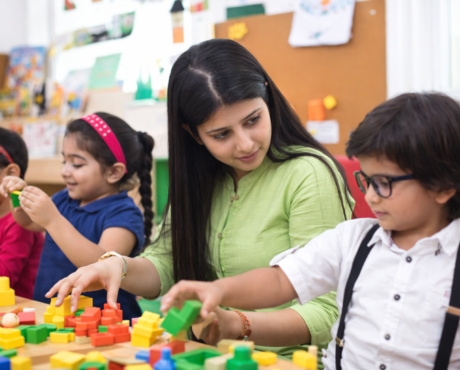
Strong teacher–child relationships also play a key role. When children feel understood, encouraged, and respected, they develop trust and a positive attitude toward learning. Over time, they learn to recognise their emotions, communicate needs clearly, and make thoughtful choices; essential life skills that continue well beyond school.
In short, school readiness isn’t just about what a child knows; it’s about who they are becoming.
Key Social–Emotional Readiness Skills Include:
- Managing emotions calmly and appropriately
- Building friendships and cooperating with others
- Listening, sharing, and taking turns
- Showing empathy and kindness
- Developing confidence and independence
- Handling routines and transitions smoothly
Focusing on these foundations ensures children don’t just “enter school”; they truly thrive there.